Our History

Our History

Boys & Girls Clubs of San Antonio is proud to be a part of Boys & Girls Clubs of America, a 151 year old national movement that serves 4.2 million youth with 51,000 trained professional staff members at some 4,000 clubs in all 50 states, Puerto Rico, the Virgin Islands, and military bases around the world.  Originally formed in 1860 in Hartford, CT, by a group of women as a positive alternative to the streets for boys, it became an affiliated organization in 1906 in Boston, MA when 53 clubs joined to become the Federated Boys Club.  Having become the Boys Club of America in 1931 and was chartered by the United States Congress in 1956.  The national organization officially became the Boys & Girls Clubs of America in 1991.
 

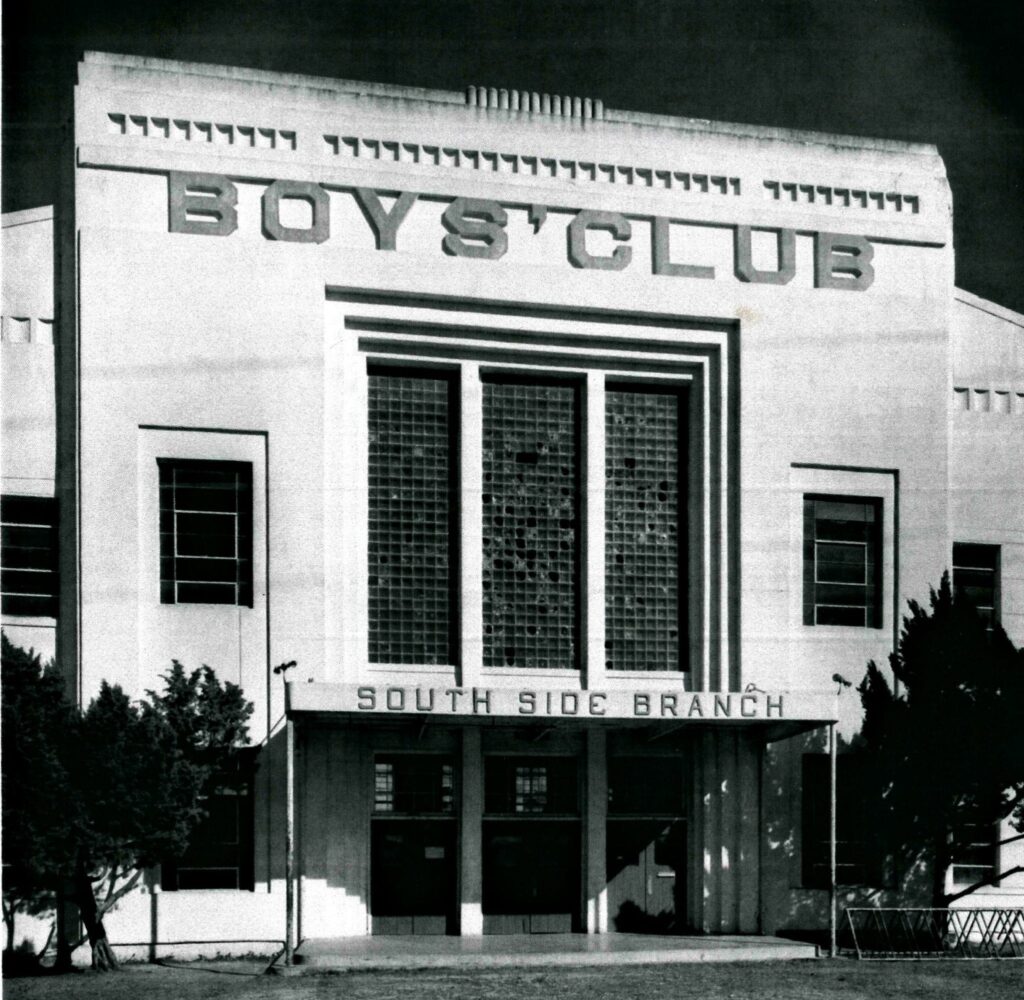
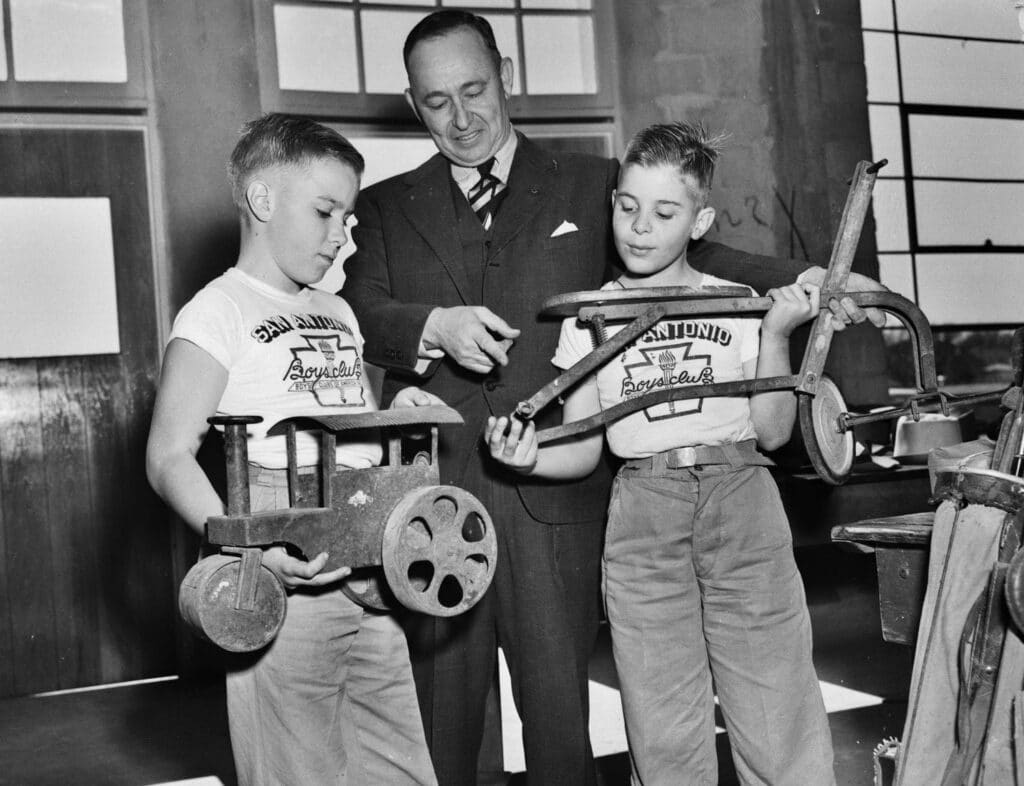
The Boys Clubs opened in San Antonio in 1939 and was located on Dolorosa Street.  Over the years the clubs grew in stature, membership and facilities.  So much that in 1963, Congressman Henry B. Gonzalez presented then President John F. Kennedy with a gavel and handmade box created by the members in their woodworking shop.  In 1976, girls were invited to become members and the name of the clubs was officially changed in 1991 to the Boys & Girls Clubs of San Antonio.
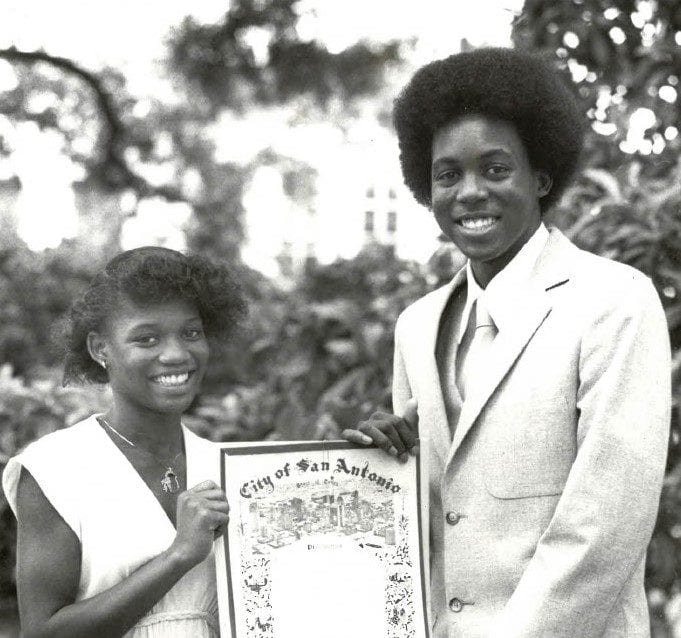
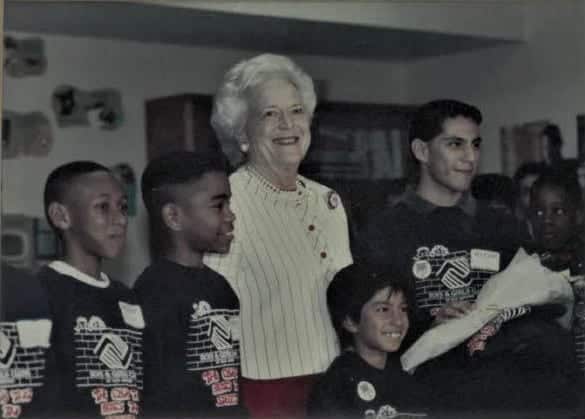
 

Through the decades the programming and facilities have improved but the mission has remained the same.  Boys & Girls Clubs of San Antonio’s mission is to enhance the educational, social, and moral development of San Antonio’s youth ages 6-18, especially those most disadvantaged by providing a fun, safe place full of age appropriate activities and opportunities.  Through the professional staff, thriving facilities, dynamic volunteers, and strong links to the community, the clubs provide professionally designed youth development programs.
 

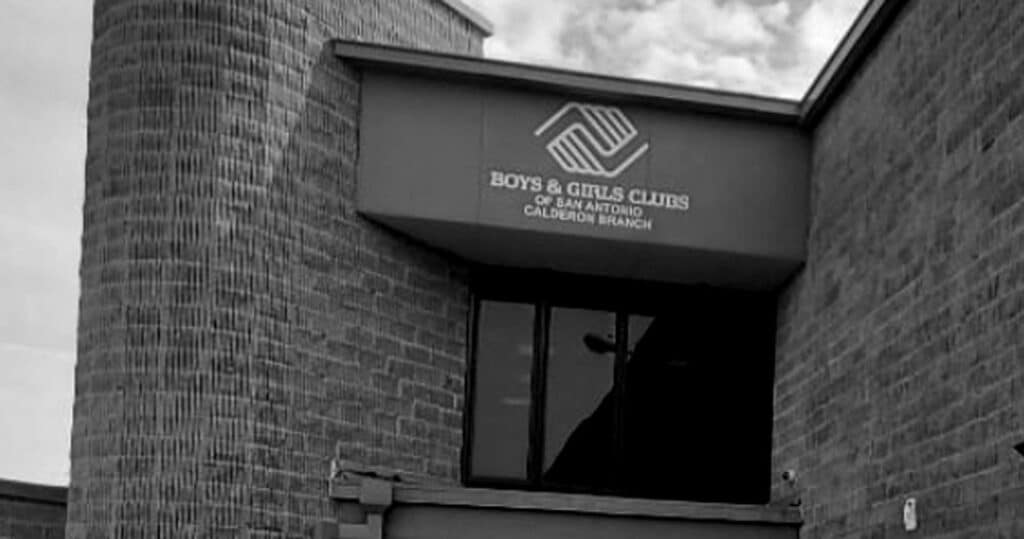
Today, Boys & Girls Clubs of San Antonio serves almost 7,400 Club members annually, ages 6 – 18, and operates five branch locations in the city of San Antonio.  The clubs currently in operation are: on the west side, the MH Calderon branch at 600 SW 19th Street and the Teen Center at 2626 Perez; the Eastside branch at 3503 Martin Luther King Drive; in the northeast section of the city, the Candlewood Branch at 3635 Candleglenn Rd.; and on the southeast side the Crestholme branch at 1602 Goliad Road. In addition to the five facilities, BGCSA on-site programs in 42 onsite locations in Edgewood, Harlandale, Judson and San Antonio Independent School Districts as well as Randolph AFB.
 

Membership is open to all children in San Antonio for nominal annual membership dues ($50) plus a sliding scale fee based on family income and family size. No child is turned away due to an inability to pay.  The majority of the clubs membership is comprised of minority children (97%), from single parent / grand parent families (more than 55%) and receives some form of federal assistance (90%).
 

In 2011, BGCSA adopted the national movement’s Formula for Impact to ensure that Great Futures Start Here. The Formula for Impact is young people who need us the most plus an outcome-driven Club Experience which includes the Five Key Elements for Positive Youth Development (1. A Safe, positive environment; 2. Fun; 3. Supportive relationships; 4. Opportunities and expectations; and 5. Recognition), High Yield Activities, Targeted Programs and Regular Attendance equals our priority outcomes of Academic Success, Good Character & Citizenship, and Healthy Lifestyles.


The programs offered are in our five core values that include Character & Leadership Development, Education & Career Development, Health & Life Skills, The Arts, and Sports, Fitness & Recreation.  These core programs are supplemented by mentoring – adult and peer, substance abuse prevention, and technology training.  Counseling and referral services are also available on an as needed basis.  At the clubs, the children are surrounded by concerned and caring staff and volunteers who inspire and enable them to realize their full potential as productive, responsible and caring citizens.


Our impact is undeniable:

99% of members stayed in school and successfully progress to the next grade level
100% of graduating teen members pursued higher education
69% made notable progress in character development
73% improved their grades in basic skills courses (math, science, reading)


Funding for the clubs comes from corporations, foundations, federal and city governments, school districts, special fundraising events, United Way, and individual donors.